Born in
Sweden,
grown worldwide.
Swedish engineering. Global impact.
Jora Composters was born from a simple idea — make composting so easy and efficient that anyone, anywhere, in any season, can do it. What started in the harsh winters of Sweden is now composting smarter homes and businesses across North America.

The year it all began in Sweden
A problem born
from Swedish winters
In the harsh winters of Sweden there are up to 6 months of freezing cold temperatures — making it nearly impossible to compost using traditional methods. Homeowners wanted compost ready for spring, but the warm months simply weren't long enough to produce enough.
In 1989, Swedish engineer Jonathan Ramious invented a rolling tumbler composter with two separate chambers — easy to mix old waste with new, and robust enough to withstand Nordic winters.
The breakthrough was high-density food-grade insulation inside the unit. This maintained temperatures high enough to compost kitchen scraps even when it was bitterly cold outside. Year-round composting had become accessible to everyone — and even protein like meat, chicken, and fish could now be composted.
The Jora journey
From a Swedish inventor's workshop to backyards across North America — here's how Jora grew into the world's most trusted composting brand.
A Swedish engineer creates a dual-chamber, insulated rolling composter to solve the problem of composting through freezing Nordic winters. Galvanized steel, food-grade insulation, a central axle — an entirely new approach to composting.
Two years after the invention, the company is officially founded — its name a portmanteau of Jonathan Ramious's first and last names. Thousands of Jora Composters begin shipping across Europe.
Jora continues to innovate with the JK 5100 — an automatic composter holding 5,100 litres, capable of converting large volumes of kitchen waste into usable compost in just a few weeks. Still available only in Europe as the team works to bring it to North America.
Jora begins selling throughout the United States, giving Americans access to the world's most efficient composting equipment. Homes, restaurants, schools, and community gardens across the country start composting smarter.
Thousands of Jora Composters are working around North America — and beyond. From backyard gardens in California to school programs in Iowa, the Jora remains unbeatable in speed, efficiency, and ease of use.
Jora — the company
behind the composter
In 1991, two years after Jonathan Ramious invented his composter, Jora the company was formed. The name itself was born by combining letters from the inventor's first and last name — a personal mark on a product he was passionate about.
Since then, thousands of Jora Composters have been sold worldwide. The company continued to innovate and develop — creating the famous JK 5100, an automatic composter holding 5,100 litres with the power to convert large volumes of kitchen waste into usable compost in just a few weeks.
Jora Composters have been proudly selling throughout the United States since 2007 — giving Americans the opportunity to compost using the best equipment available in the world.
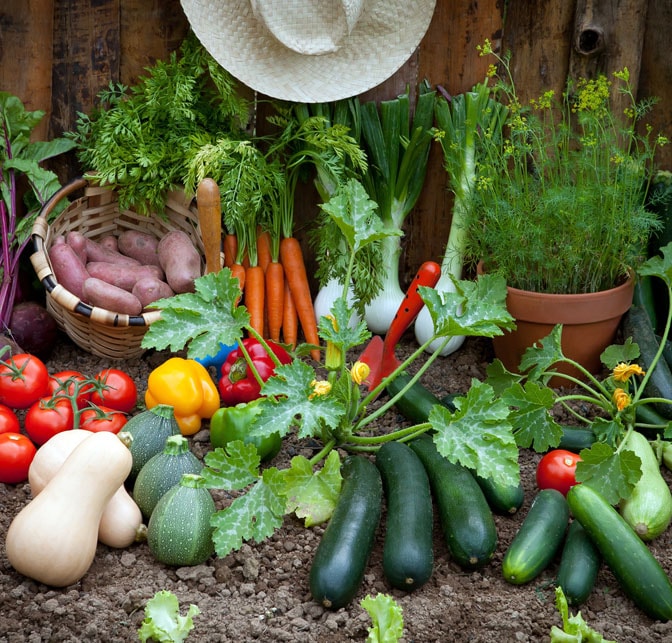
The Jora Mission
The Jora Company Mission is to consistently offer people worldwide the best and most effective composting equipment possible — so that more people will compost.
Traditional composting takes commitment and dedication. For a long time, only the most dedicated person would compost regularly — turning piles with a pitchfork while trying to achieve the right ratio of carbon to nitrogen.
Jora set out to change all that. By developing a product that is efficient, user-friendly, and mess-free, more people are willing to commit to composting. And in the long run, this decreases the amount of waste going to landfills — making a real difference to our environment.
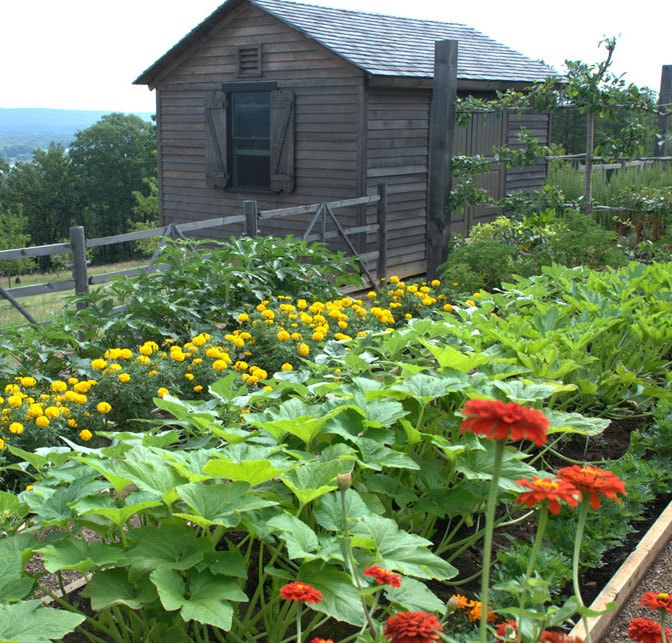
Our values
Three principles guide every decision we make — from product design to customer support.
Composting should be for everyone — not just the dedicated few. Jora's design makes it easy, fast, and mess-free so that anyone can do it, any time of year.
Every Jora Composter is built from galvanized steel and food-grade materials to last for many years. We don't cut corners — because neither does the planet.
Every kilogram of waste composted instead of landfilled is a win for the environment. Our goal is simple — help more people compost more waste and enrich the soil that feeds us.